
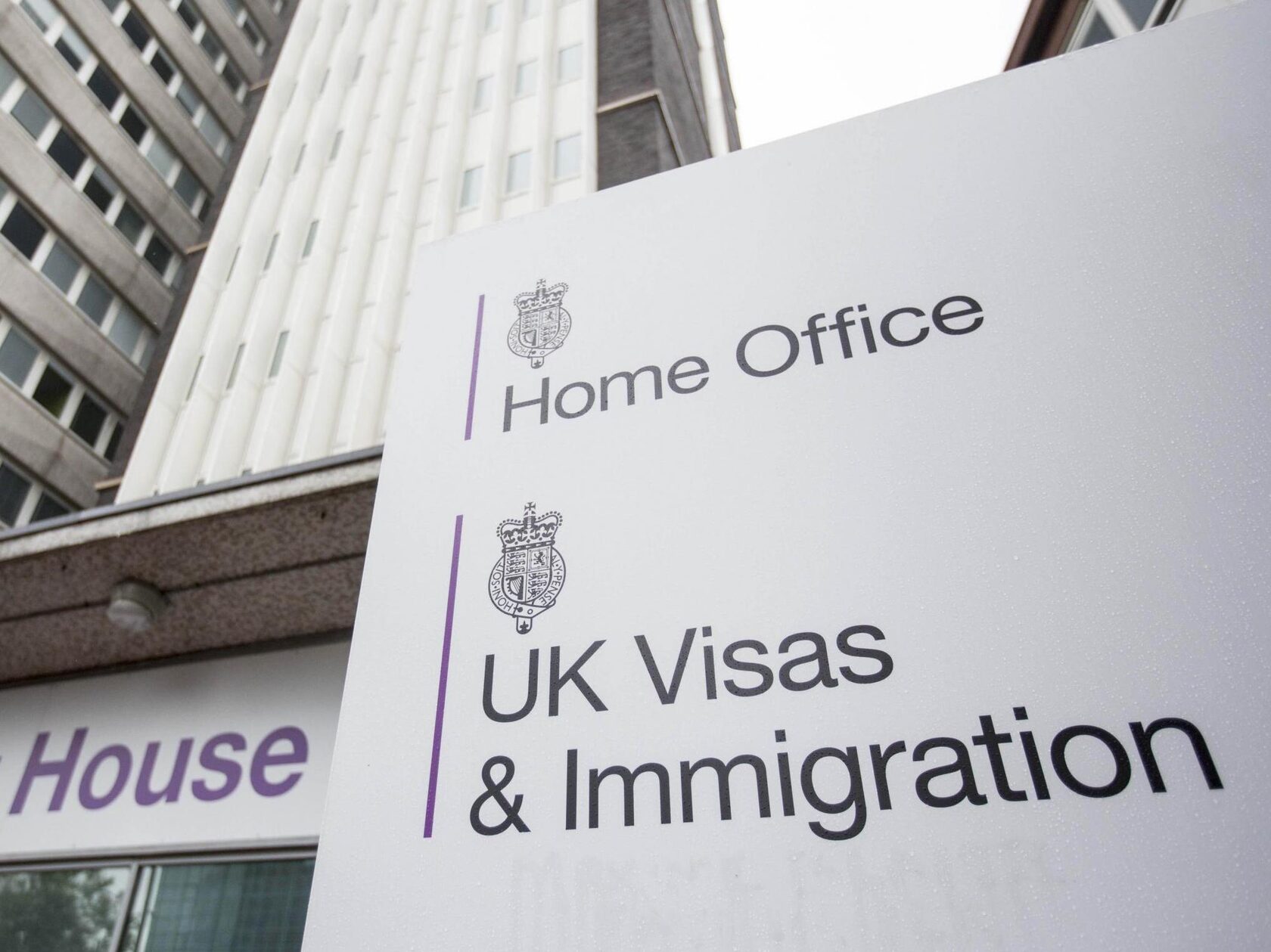
Major Home Office Immigration Rule Changes
Statement of Changes in Immigration Rules (HC 1333) – 14 October 2025
A New Era of “Part Suitability” and Consolidated Grounds for Refusal
On 14 October 2025, the UK Home Office published Statement of Changes in Immigration Rules (HC 1333) — one of the most comprehensive reforms to the UK immigration framework since Brexit.
The reforms aim to modernise and unify the structure of the Rules, enhance decision-making consistency, and strengthen the integrity of the immigration system. They also introduce new requirements affecting English language levels, Skilled Worker visas, High Potential Individual (HPI) routes, Graduate Route post-study permissions, Innovator Founder pathways, and the brand-new “Part Suitability” framework.
1. Implementation Timeline
Implementation Timeline
The planned reforms will be introduced progressively across several key dates, each marking significant changes to the UK immigration framework:
14 October 2025 – Technical Amendments The first stage will involve technical updates to several key appendices, including Appendices VN1, VN3, VN4, and ETANL1, ensuring consistency and clarity across immigration guidance.
4 November 2025 – HPI Route Updates The High Potential Individual (HPI) route will be expanded, featuring a broader list of eligible universities and the introduction of a new annual cap on applications.
11 November 2025 – Introduction of “Part Suitability” A new section titled “Part Suitability” will replace “Part 9: General Grounds for Refusal.” This change aims to streamline and modernize the rules governing applicant suitability.
8 January 2026 – Skilled Worker & HPI Alignment The Skilled Worker and HPI routes will be aligned, with adjusted English language requirements and updated suitability criteria to ensure consistency across both categories.
1 January 2027 – Graduate Route Reform The Graduate Route will undergo significant reform, with the post-study visa duration shortened, marking the final phase of these staged changes.
This phased roll-out ensures consistency while giving sponsors and applicants time to adjust.
2. Introduction of “Part Suitability”
A Unified Suitability Framework
The centrepiece of HC 1333 is the replacement of “Part 9: General Grounds for Refusal” with a new, unified framework titled “Part Suitability.”
This system applies to all immigration categories — work, study, family, and temporary routes — and consolidates refusal and cancellation powers under one structured set of criteria.
Under “Part Suitability,” applicants are assessed on their conduct, character, compliance history, and honesty, with both:
This change is designed to make decision-making clearer and more transparent while tightening integrity and compliance standards across the board.
3. Key Refusal and Cancellation Grounds
A. Exclusion, Deportation, and Public Interest
Individuals subject to deportation or exclusion orders will face automatic refusal.
Additionally, the Secretary of State may now cancel existing permission if deemed “not conducive to the public good.”
This gives the Home Office expanded discretion aligned with national security objectives.
B. Criminality
The criminality rules are clarified and strengthened:
C. Deception and False Representation
Applications must be refused if false documents or misleading information are provided, or if material facts are withheld.
Existing visas may also be cancelled retrospectively if deception is later discovered — even if it did not directly impact the initial decision.
D. Immigration Breaches and Overstaying
The existing 1-, 2-, 5-, and 10-year re-entry bans remain but are now codified with clearer definitions of “serious breach” and “voluntary departure.”
Repeated or deliberate breaches will result in harsher consequences under Part Suitability.
E. Sham Marriage and Civil Partnership
The evidential standard for refusing applications on the basis of a sham marriage has been lowered to the “balance of probabilities.”
This change aims to combat abuse but raises fairness concerns in cases involving cultural or linguistic differences.
F. NHS Debts and Litigation Costs
Applicants owing £500 or more to the NHS or who have not paid Home Office litigation costs may face refusal or cancellation.
G. Innovator Founder Integrity Test
The Innovator Founder route now includes a “fit and proper person” test.
Those under investigation for fraud, corruption, or financial misconduct may be refused even without conviction.
4. Updates to Key Visa Routes
A. English Language Requirement
From 8 January 2026, the required English proficiency level for Skilled Worker, HPI, and Scale-up visas will rise from B1 to B2 (CEFR scale).
Applicants must provide valid evidence of B2-level English ability at the time of application.
B. High Potential Individual (HPI) Route
Effective 4 November 2025:
C. Graduate Route (Post-Study Work Visa)
Effective 1 January 2027:
D. Student Transition to Innovator Founder Route
From 11 November 2025, students will be able to transition directly from a Student visa to the Innovator Founder route by establishing their own business.
This simplifies the pathway from student to entrepreneur.
E. Immigration Skills Charge
Employers’ Immigration Skills Charge will increase by 32%, with an exact start date to be confirmed following Parliamentary approval.
This adjustment is intended to increase employer contributions to public funds.
F. Family and Private Life Visas – Suitability Standards
From 11 November 2025, the General Grounds for Refusal will be replaced by Part Suitability within family and private life applications.
Applicants’ good character, reliability, and compliance will be scrutinised more rigorously.
5. Sponsorship and Work Route Adjustments
6. Modernised Definitions and Consistency
7. Review and Oversight Mechanism
A new statutory requirement mandates that the Secretary of State review all “Part Suitability” provisions every five years, assessing:
This cyclical review is designed to maintain transparency and adaptability as immigration law evolves.
8. Overall Impact and Assessment
The HC 1333 reforms mark a fundamental restructuring of the UK’s immigration system. By consolidating refusal, cancellation, and suitability provisions under a single framework, the Home Office aims to:
However, these reforms also expand the Home Office’s discretionary powers, particularly around public interest, criminality, and applicant conduct.
Key Takeaways for Stakeholders:
Statement of Changes in Immigration Rules (HC 1333) – 14 October 2025
A New Era of “Part Suitability” and Consolidated Grounds for Refusal
On 14 October 2025, the UK Home Office published Statement of Changes in Immigration Rules (HC 1333) — one of the most comprehensive reforms to the UK immigration framework since Brexit.
The reforms aim to modernise and unify the structure of the Rules, enhance decision-making consistency, and strengthen the integrity of the immigration system. They also introduce new requirements affecting English language levels, Skilled Worker visas, High Potential Individual (HPI) routes, Graduate Route post-study permissions, Innovator Founder pathways, and the brand-new “Part Suitability” framework.
1. Implementation Timeline
Implementation Timeline
The planned reforms will be introduced progressively across several key dates, each marking significant changes to the UK immigration framework:
14 October 2025 – Technical Amendments The first stage will involve technical updates to several key appendices, including Appendices VN1, VN3, VN4, and ETANL1, ensuring consistency and clarity across immigration guidance.
4 November 2025 – HPI Route Updates The High Potential Individual (HPI) route will be expanded, featuring a broader list of eligible universities and the introduction of a new annual cap on applications.
11 November 2025 – Introduction of “Part Suitability” A new section titled “Part Suitability” will replace “Part 9: General Grounds for Refusal.” This change aims to streamline and modernize the rules governing applicant suitability.
8 January 2026 – Skilled Worker & HPI Alignment The Skilled Worker and HPI routes will be aligned, with adjusted English language requirements and updated suitability criteria to ensure consistency across both categories.
1 January 2027 – Graduate Route Reform The Graduate Route will undergo significant reform, with the post-study visa duration shortened, marking the final phase of these staged changes.
This phased roll-out ensures consistency while giving sponsors and applicants time to adjust.
2. Introduction of “Part Suitability”
A Unified Suitability Framework
The centrepiece of HC 1333 is the replacement of “Part 9: General Grounds for Refusal” with a new, unified framework titled “Part Suitability.”
This system applies to all immigration categories — work, study, family, and temporary routes — and consolidates refusal and cancellation powers under one structured set of criteria.
Under “Part Suitability,” applicants are assessed on their conduct, character, compliance history, and honesty, with both:
- Mandatory grounds (automatic refusal or cancellation); and
- Discretionary grounds (subject to caseworker judgment).
This change is designed to make decision-making clearer and more transparent while tightening integrity and compliance standards across the board.
3. Key Refusal and Cancellation Grounds
A. Exclusion, Deportation, and Public Interest
Individuals subject to deportation or exclusion orders will face automatic refusal.
Additionally, the Secretary of State may now cancel existing permission if deemed “not conducive to the public good.”
This gives the Home Office expanded discretion aligned with national security objectives.
B. Criminality
The criminality rules are clarified and strengthened:
- Mandatory refusal applies to applicants sentenced to 12 months or more in custody, regardless of location or date.
- Discretionary refusal applies for non-custodial sentences, multiple minor offences, or patterns of offending.
- “Serious harm” is now explicitly defined as conduct causing significant physical, psychological, or financial damage.
C. Deception and False Representation
Applications must be refused if false documents or misleading information are provided, or if material facts are withheld.
Existing visas may also be cancelled retrospectively if deception is later discovered — even if it did not directly impact the initial decision.
D. Immigration Breaches and Overstaying
The existing 1-, 2-, 5-, and 10-year re-entry bans remain but are now codified with clearer definitions of “serious breach” and “voluntary departure.”
Repeated or deliberate breaches will result in harsher consequences under Part Suitability.
E. Sham Marriage and Civil Partnership
The evidential standard for refusing applications on the basis of a sham marriage has been lowered to the “balance of probabilities.”
This change aims to combat abuse but raises fairness concerns in cases involving cultural or linguistic differences.
F. NHS Debts and Litigation Costs
Applicants owing £500 or more to the NHS or who have not paid Home Office litigation costs may face refusal or cancellation.
G. Innovator Founder Integrity Test
The Innovator Founder route now includes a “fit and proper person” test.
Those under investigation for fraud, corruption, or financial misconduct may be refused even without conviction.
4. Updates to Key Visa Routes
A. English Language Requirement
From 8 January 2026, the required English proficiency level for Skilled Worker, HPI, and Scale-up visas will rise from B1 to B2 (CEFR scale).
Applicants must provide valid evidence of B2-level English ability at the time of application.
B. High Potential Individual (HPI) Route
Effective 4 November 2025:
- The list of eligible universities will be expanded to double its current size.
- A cap of 8,000 applicants per year will be introduced.
- The Global Universities List definition will continue to rely on Times Higher Education, QS, and ARWU (Shanghai) rankings.
C. Graduate Route (Post-Study Work Visa)
Effective 1 January 2027:
- The standard post-study visa duration will be reduced from 24 months to 18 months.
- PhD graduates will continue to receive 3 years of post-study permission.
- This change encourages earlier career planning and faster progression into long-term work routes.
D. Student Transition to Innovator Founder Route
From 11 November 2025, students will be able to transition directly from a Student visa to the Innovator Founder route by establishing their own business.
This simplifies the pathway from student to entrepreneur.
E. Immigration Skills Charge
Employers’ Immigration Skills Charge will increase by 32%, with an exact start date to be confirmed following Parliamentary approval.
This adjustment is intended to increase employer contributions to public funds.
F. Family and Private Life Visas – Suitability Standards
From 11 November 2025, the General Grounds for Refusal will be replaced by Part Suitability within family and private life applications.
Applicants’ good character, reliability, and compliance will be scrutinised more rigorously.
5. Sponsorship and Work Route Adjustments
- If a sponsor’s licence is suspended or revoked, the leave of sponsored workers and dependants may now be automatically curtailed.
- Leave may also be withdrawn if an employee’s salary, job role, or conditions fall below the level stated in the Certificate of Sponsorship.
- For Scale-up workers, cancellation powers only apply during the first six months of sponsored employment — after that, they retain greater independence.
6. Modernised Definitions and Consistency
- “Permission to Stay” is now formally equated with “Leave to Remain” under the Immigration Act 1971.
- The Global Universities List remains based on THE, QS, and ARWU rankings.
- The Child Student route now includes definitions of “Guardianship Organisation” and “Nominated Guardian” to enhance child protection.
7. Review and Oversight Mechanism
A new statutory requirement mandates that the Secretary of State review all “Part Suitability” provisions every five years, assessing:
- Effectiveness and proportionality of suitability decisions;
- Regulatory and economic impact on individuals and sponsors;
- Compatibility with the European Convention on Human Rights (ECHR).
This cyclical review is designed to maintain transparency and adaptability as immigration law evolves.
8. Overall Impact and Assessment
The HC 1333 reforms mark a fundamental restructuring of the UK’s immigration system. By consolidating refusal, cancellation, and suitability provisions under a single framework, the Home Office aims to:
- Enhance decision-making consistency;
- Streamline enforcement;
- Improve integrity and compliance across all categories.
However, these reforms also expand the Home Office’s discretionary powers, particularly around public interest, criminality, and applicant conduct.
Key Takeaways for Stakeholders:
- Employers must prepare for increased English language and financial compliance requirements.
- Students should plan post-graduation pathways earlier due to the shortened Graduate Route.
- Entrepreneurs benefit from clearer access to the Innovator Founder route.
- All applicants must ensure full transparency, accurate documentation, and compliance under the new Part Suitability regime.